Why Niacinamide Is a Multi-Tasking Hero Ingredient for All Skin Types
In the landscape of skincare, few ingredients have garnered as much attention from dermatologists and formulators alike as niacinamide. Also known as vitamin B3, this water-soluble compound appears in a wide range of serums, moisturizers, and treatments. Its appeal lies not in a single dramatic effect but in its ability to address multiple skin concerns simultaneously. Rather than targeting one specific issue, niacinamide participates in several biological pathways that support overall skin health. This makes it a practical choice for individuals with various skin types, from oily and acne-prone to dry and sensitive.
Research into niacinamide has expanded considerably over the past two decades. Clinical studies have examined its role in reducing redness, refining pore appearance, and strengthening the skin barrier. These investigations provide a foundation for understanding how the ingredient works at a cellular level. The following sections break down each of these areas, explaining the mechanisms behind them and the contexts in which they may be observed. It is important to note that individual results can vary depending on factors such as formulation concentration, frequency of use, and overall skin condition.
This article discusses niacinamide as a multi-functional component in skincare routines. It does not offer medical advice or guarantee specific outcomes. Instead, it aims to present the current understanding of its properties in a neutral, evidence-informed manner.
Understanding Niacinamide: A Versatile Form of Vitamin B3
Niacinamide is a form of vitamin B3 that plays a role in cellular metabolism. In the skin, it functions as a precursor to nicotinamide adenine dinucleotide (NAD+), a coenzyme involved in energy production and DNA repair. By supporting these fundamental processes, niacinamide helps maintain the skin’s overall resilience. Its molecular structure allows it to penetrate the epidermis and interact with various receptors and enzymes without causing significant irritation in most individuals.
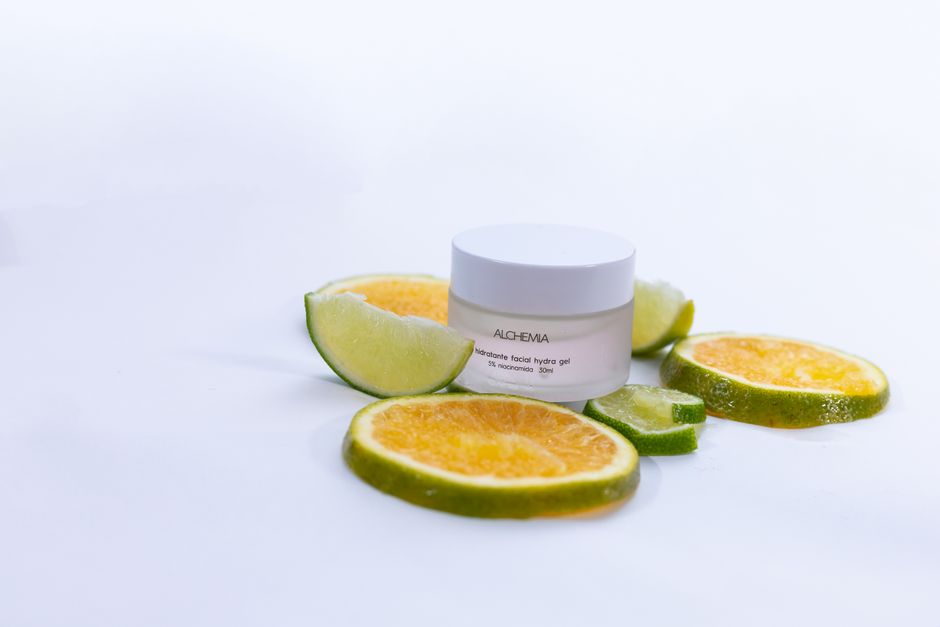
One reason for niacinamide’s popularity is its compatibility with a broad pH range and other active ingredients. It can be combined with peptides, hyaluronic acid, retinoids, and antioxidants without immediate degradation. This flexibility makes it easier to incorporate into existing routines. However, the concentration of niacinamide in a product can influence how it interacts with the skin. Typical concentrations range from 2% to 10%. Lower amounts are often used in maintenance formulations, while higher concentrations may be selected when attempting to address specific concerns, though tolerance varies from person to person.
From a biological standpoint, niacinamide influences several signaling pathways. It inhibits the transfer of pigment from melanocytes to keratinocytes, which accounts for its occasional use in addressing uneven skin tone. It also supports the synthesis of ceramides and other lipids that form the skin barrier. These multiple points of action are what give niacinamide its reputation as a multi-tasking ingredient.
Reducing Redness: Calming Inflammatory Responses
Redness in the skin often arises from inflammation. This can be triggered by environmental stressors, such as UV exposure or pollution, as well as internal factors like hormonal fluctuations or underlying conditions such as rosacea. Niacinamide has been studied for its ability to modulate inflammatory responses. Specifically, it inhibits the production of pro-inflammatory cytokines and reduces the activity of transcription factors like NF-κB, which regulate genes involved in inflammation.
Clinical observations suggest that topical application of niacinamide can lead to a visible decrease in erythema over several weeks. In one study involving individuals with mild to moderate rosacea, a 4% niacinamide formulation was associated with reduced redness and papule counts after eight weeks of daily use. It is worth noting that the study was relatively small, and factors such as baseline severity and concurrent treatments may have influenced the outcomes. Nonetheless, the anti-inflammatory properties of niacinamide appear to be dose-dependent and require consistent application.
For those with sensitive skin, niacinamide can be a gentler alternative to other anti-redness agents that might cause stinging or peeling. Because it does not rely on exfoliation, it may be used alongside barrier-repairing ingredients to support overall comfort. However, redness reduction is a gradual process, and improvement depends on the underlying cause. Niacinamide is not a treatment for acute inflammation or infection; in those cases, professional medical advice should be sought.
Minimizing the Appearance of Pores: Regulation of Oil and Cell Turnover
The appearance of enlarged pores is often linked to excess sebum production and the accumulation of dead skin cells around the follicle opening. Niacinamide addresses this by helping to regulate sebaceous gland activity and promoting a more orderly shedding of corneocytes. Studies using in vitro models of human sebocytes have shown that niacinamide can reduce triglyceride and fatty acid synthesis in a concentration-dependent manner.
In clinical trials, participants applying a 2% to 5% niacinamide formulation reported a noticeable improvement in pore size after 12 weeks. The mechanism is not one of immediate tightening but rather a gradual normalization of the skin’s surface texture. As excess oil is controlled and cell turnover becomes more regular, the follicles are less likely to become distended. This effect can be enhanced when niacinamide is paired with other pore-refining ingredients like salicylic acid or zinc, though combination products should be selected based on individual tolerance.
It is important to understand that pores cannot be permanently eliminated; their size is largely determined by genetics and skin structure. What niacinamide can do is optimize the conditions around the pore so that it appears less noticeable. Consistency in application plays a role, and results may vary across different areas of the face. The ingredient does not alter the fundamental anatomy of the pore, but rather influences the surrounding environment.
Strengthening the Skin Barrier: Lipid Synthesis and Moisture Retention
The skin barrier, composed of corneocytes embedded in a lipid matrix, serves as the first line of defense against water loss and external irritants. Niacinamide contributes to barrier integrity by stimulating the production of ceramides, free fatty acids, and cholesterol in the stratum corneum. These lipids are essential for maintaining a cohesive structure that prevents transepidermal water loss and protects against microbial invasion.
Research indicates that niacinamide can increase ceramide levels by up to several times the baseline in the weeks following regular application. In one controlled study, a 4% niacinamide lotion led to a significant reduction in transepidermal water loss after four weeks compared to a placebo. Participants with compromised barriers, such as those with atopic dermatitis or those using harsh detergents, may experience improved skin feel and reduced sensitivity. The effect is cumulative and requires ongoing use to maintain.
By reinforcing the barrier, niacinamide also helps the skin better withstand environmental stressors. A stronger barrier means that moisture stays in the skin longer, which can soften the appearance of fine lines and rough texture. However, the degree of improvement depends on the initial state of the barrier and the presence of other supportive factors, such as adequate hydration and avoidance of overly stripping cleansers. Niacinamide does not replace the need for a balanced routine but can be a useful addition for those looking to preserve barrier function.
Clinical Evidence and Practical Considerations
The body of clinical research on niacinamide continues to grow. Multiple randomized controlled trials have examined its effects across different skin types and conditions. A 2015 meta-analysis of niacinamide for acne vulgaris found that it reduced lesion counts and improved skin texture with a favorable safety profile. Similarly, studies on photoaged skin have shown improvements in fine lines, hyperpigmentation, and elasticity after regular use. These findings support the idea that niacinamide can be a versatile component in skincare regimens.
When selecting a product containing niacinamide, concentration and formulation matter. Higher concentrations are not necessarily better and may increase the risk of irritation, especially for those with very sensitive skin. Starting with a lower concentration (around 2% to 5%) and gradually increasing use frequency can help assess tolerance. The ingredient is generally well-tolerated, but some individuals may experience a transient flush or mild stinging. Patch testing on a small area before full application is a reasonable precaution.
It is also worth noting that niacinamide does not work in isolation. Its effects are modulated by the overall health of the skin, concurrent product use, and external factors like sun exposure and diet. Products from companies such as Pure Glow that include niacinamide alongside complementary ingredients may offer a balanced approach, but the specific formulation should be evaluated based on individual needs. As with any skincare ingredient, realistic expectations and patience are key. Niacinamide is a supportive element, not a standalone solution.